
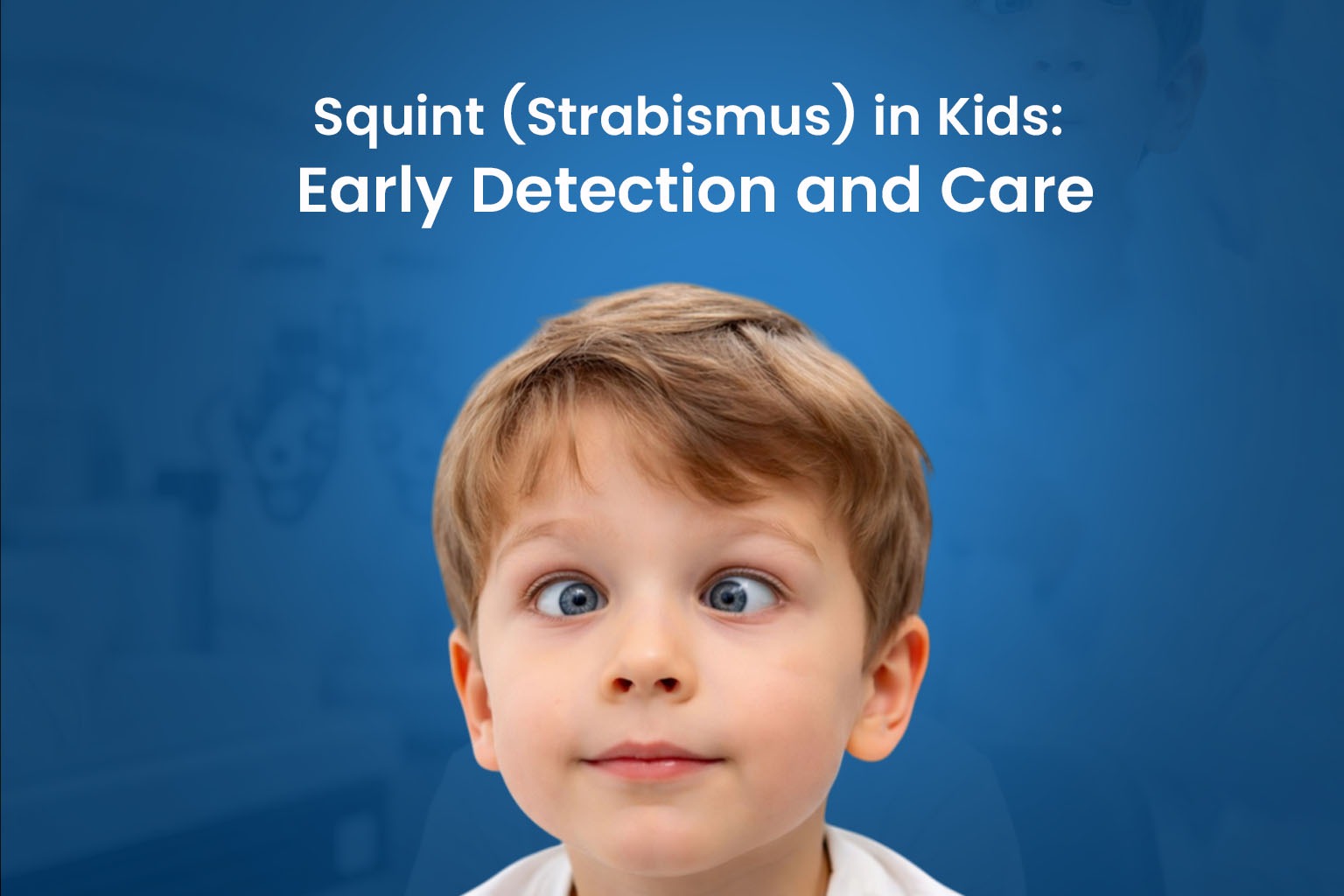
When it comes to your child’s vision, even a small concern can have a big impact on their development. One such condition that often goes unnoticed in the early stages is squint, medically known as Strabismus. It occurs when a child’s eyes do not align properly and point in different directions. While it may seem harmless at first, early detection and timely care are essential to prevent long-term vision problems.
Squint is a condition where one eye may look straight ahead while the other turns inward, outward, upward, or downward. This misalignment can be constant or occasional. In children, it can be present from birth or develop during early childhood. If not treated early, it may lead to lazy eye (amblyopia), where the brain starts ignoring signals from the weaker eye.
Several factors can contribute to the development of squint in kids. These include:
In some cases, underlying health conditions may also play a role. That’s why consulting specialists at the Best Paediatric hospital in Malappuram is crucial for accurate diagnosis and care.
Early detection largely depends on parental awareness. Here are some common signs:
If you notice any of these symptoms, it’s important to consult experts at the Best eye care hospital in Malappuram or the Best eye care hospital in Perinthalmanna without delay.
A child’s vision develops rapidly in the first few years of life. If squint is left untreated, it can affect depth perception and overall visual development. Early diagnosis ensures better outcomes and may even completely correct the condition in many cases. Timely intervention at the Best eye care hospital in Malappuram can prevent complications and help your child achieve normal vision. Pediatric eye specialists use advanced diagnostic tools to assess eye alignment and function accurately.
The treatment for squint depends on the cause and severity of the condition. Common treatment methods include:
Choosing the Best eye care hospital in Perinthalmanna ensures access to experienced ophthalmologists and child-friendly treatment approaches.
Parents play a vital role in managing and treating squint. Ensure that your child:
Also, encourage activities that support visual development, like reading, drawing, and playing interactive games.
If your child is older than 3–4 months and still shows signs of eye misalignment, it’s time to seek medical advice. Early consultation at the Best Paediatric hospital in Malappuram can make a significant difference in treatment success. Read more :Choosing the Best Pediatric Eye Specialist in Perinthalmanna: A Parent’s Guide
Squint (Strabismus) is a manageable condition when detected early. With proper care, guidance, and timely treatment, children can enjoy healthy vision and normal development. Don’t ignore the early signs, consult specialists at the Best eye care hospital in Malappuram or the Best eye care hospital in Perinthalmanna to ensure your child gets the best possible care. Your child’s eyes deserve attention today for a brighter tomorrow.