
From as early as 2 to 3 months, babies begin to recognise and respond to colours, especially bold and bright ones like red, black, and white. By around 6 months, their colour vision becomes more developed, allowing them to distinguish between different shades more clearly. As they grow, colours become an essential part of how they learn, play, and interact with the world. But for some children, this natural ability to identify colours may not develop typically, leading to a condition known as colour blindness or colour vision deficiency.
The environment around us contains colors which children use to identify objects and take part in school activities. Some children experience difficulties while distinguishing one specific colour from another. The condition known as colour blindness or colour vision deficiency remains undetected during the initial years of a child’s life. Parents need to know about testing procedures because it helps them recognise developmental signs which enable them to support their child’s growth.
Colour blindness is a vision condition where a child has difficulty identifying or distinguishing between certain colours, most commonly red and green. The condition usually passes from parents to children and affects boys more than girls. The condition does not qualify as a major disability yet it affects how a child learns and builds self-assurance when the condition remains undiagnosed.
Colour blindness can be difficult to detect, especially in younger children who may not realise they see colours differently. However, there are some early signs parents and teachers can look for:
Recognising these signs early is important. Consulting professionals at the Best Eye Care Hospital Perinthalmanna can help confirm whether a child has colour vision deficiency.
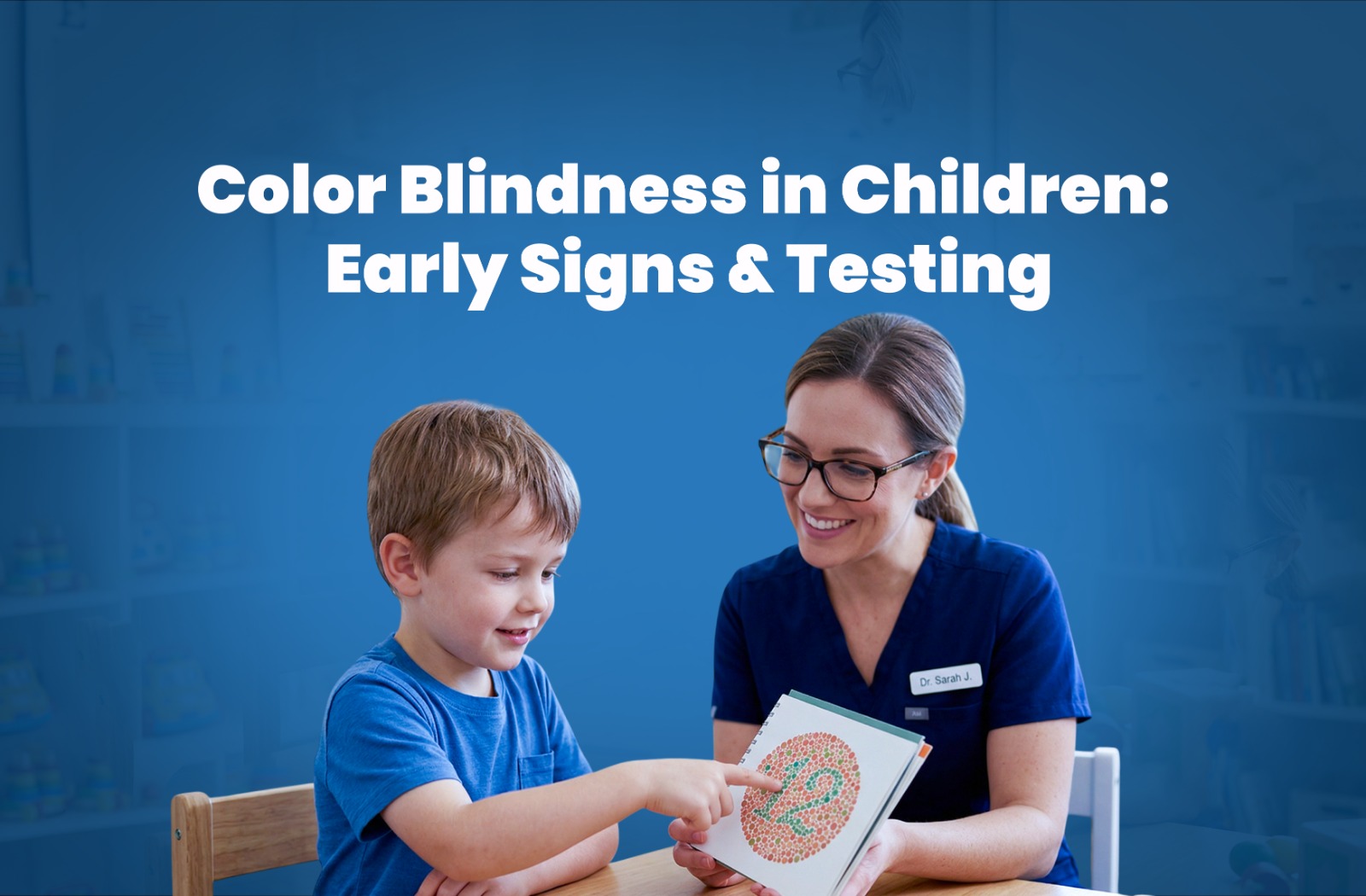
Testing for colour blindness is simple, painless, and quick. Eye specialists use specific tests designed to evaluate how well a child can identify colours. Some common methods include:
Parents seeking a reliable diagnosis can visit the Best Eye Care Hospital in Malappuram, where experienced professionals conduct comprehensive eye examinations for children.
Although colour blindness cannot be cured, early detection plays a crucial role in helping children adapt. When diagnosed early:
Early awareness ensures that colour vision deficiency does not hinder a child’s academic performance or creativity.
With the right support, children with colour blindness can thrive just like others. Here are a few practical tips:
Colour blindness in children is more common than many parents realise, yet it often goes undetected. The process of early detection requires testing which should be performed when initial signs of the condition become evident. The Best Eye Care Hospital Perinthalmanna provides expert consultation services for parents who suspect their child has problems with colour perception. Children with colour blindness can learn, grow and achieve success in life through early support along with the right strategy. Read more : Choosing the Best Pediatric Eye Specialist in Perinthalmanna: A Parent’s Guide