
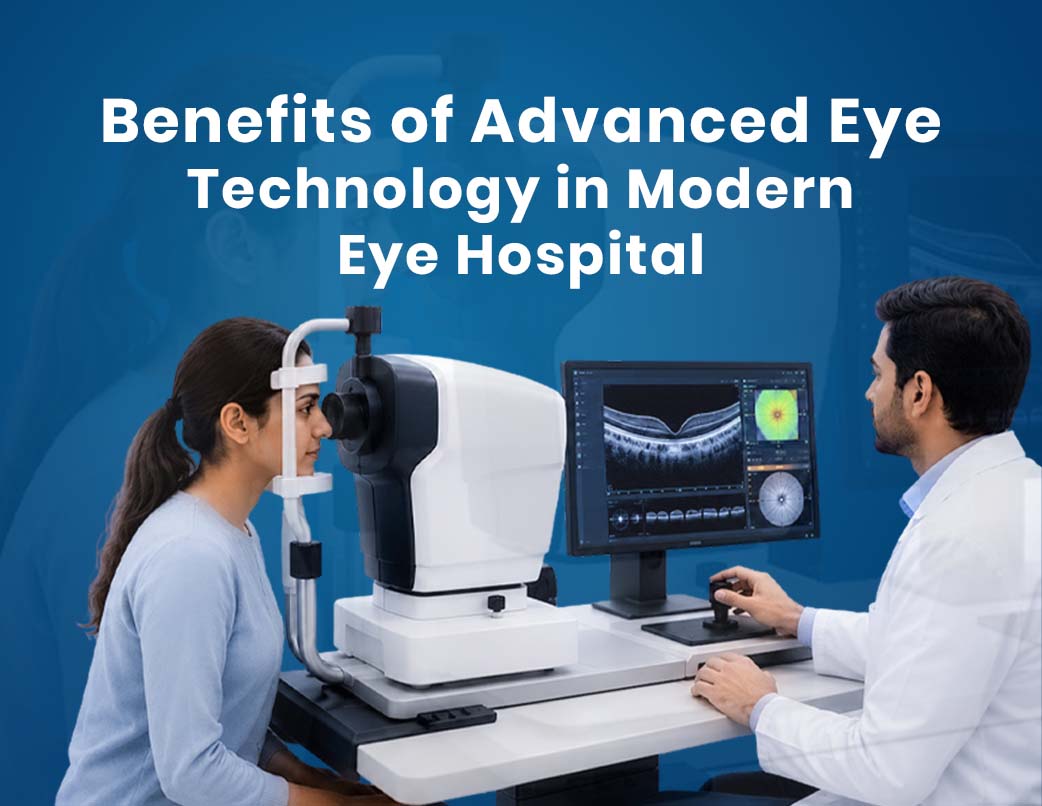
Eye problems are no longer something people need to fear the way they once did. With ongoing medical advancements and rapid technological advances in ophthalmology, modern eye hospitals can now diagnose and treat eye conditions with exceptional precision and safety. From common vision problems to complex retinal disorders, advanced eye care technology has transformed the patient experience and improved treatment outcomes significantly. Many eye diseases that once led to permanent vision loss can now be detected early and treated effectively. Modern ophthalmology combines advanced imaging systems, laser-assisted procedures, artificial intelligence, and minimally invasive surgeries to provide faster recovery, greater comfort, and better long-term vision care. These innovations are helping people regain confidence and protect their eyesight.
The field of ophthalmology has witnessed remarkable technological advancements over the years. Traditional eye testing methods have evolved into highly sophisticated diagnostic and treatment systems that help doctors examine the eye in extraordinary detail.
Modern eye hospitals now use digital imaging technologies, computer-guided surgical systems, laser-assisted procedures, and AI-supported diagnostics to improve patient care. These advancements provide: Faster and more accurate diagnosis
Advanced eye care technology not only improves treatment success but also reduces patient anxiety by making procedures quicker, safer, and more comfortable.
Optical Coherence Tomography, commonly known as OCT, is one of the most advanced diagnostic technologies in ophthalmology. This non-invasive imaging technique captures detailed cross-sectional images of the retina and helps ophthalmologists detect diseases at a very early stage.
OCT plays an important role in identifying conditions such as glaucoma, diabetic retinopathy, macular degeneration, and retinal swelling before noticeable symptoms appear. Early diagnosis through OCT in the How OCT Scans Are Revolutionizing Retina Care
Fundus photography and retinal scanning technologies allow eye specialists to capture high-resolution images of the retina, optic nerve, and blood vessels inside the eye. These images help doctors monitor changes over time and accurately track eye diseases. This technology is especially useful for patients with diabetes and hypertension, as it helps detect retinal damage caused by these conditions. Early identification can significantly reduce the risk of vision loss.
Corneal topography is an advanced imaging method used to map the surface of the cornea. It helps ophthalmologists diagnose corneal disorders such as keratoconus and plan vision correction procedures with greater accuracy. This technology is essential before LASIK and other refractive surgeries because it helps doctors understand the exact shape and curvature of the cornea to plan customised treatment.
Artificial Intelligence is becoming a powerful tool in modern ophthalmology. AI-supported systems can analyse thousands of retinal images within minutes and help doctors detect diseases quickly and accurately. AI technology assists in diagnosing diabetic retinopathy, glaucoma, and other retinal disorders at earlier stages. It improves efficiency, enhances diagnostic precision, and supports ophthalmologists in creating personalised treatment plans for patients.
Modern cataract surgery has become safer and more precise through laser-assisted technology. Femtosecond lasers are now used to create accurate incisions and soften the cloudy lens before removal. This advanced method improves surgical precision, reduces recovery time, and enhances visual outcomes for patients undergoing cataract treatment.
LASIK and SMILE are advanced laser vision correction procedures designed to reduce dependency on glasses and contact lenses. These treatments correct refractive errors such as myopia, hyperopia, and astigmatism by reshaping the cornea. Compared to traditional methods, modern LASIK and SMILE procedures are less invasive, highly precise, and provide faster recovery with minimal discomfort.
Advanced intraocular lenses have significantly improved the results of cataract surgery. Modern premium IOLs not only replace the cloudy cataract lens but can also correct refractive errors. Many patients experience clearer vision after surgery and may even reduce their dependence on glasses for reading and distance vision.
Glaucoma is often called the “silent thief of sight” because it can damage vision without early symptoms. Minimally Invasive Glaucoma Surgery (MIGS) offers a safer and less invasive treatment option for glaucoma patients. MIGS procedures help lower eye pressure while reducing surgical risks, minimising discomfort, and promoting faster recovery.
3D imaging and surgical navigation systems are transforming complex eye surgeries. These technologies provide surgeons with highly detailed visualisation during retinal and vitreoretinal procedures. Enhanced surgical guidance improves precision, safety, and treatment success, especially in delicate eye surgeries that require extreme accuracy. Such innovations are now becoming an important part of treatment services offered at the best eye care hospital in Malappuram, where modern ophthalmology technology plays a major role in delivering advanced and effective vision care.
The advancement of medical technology in ophthalmology has completely transformed modern eye care. From advanced diagnostic systems and AI-supported screening to laser-assisted surgeries and minimally invasive treatments, patients today have access to safer, faster, and more effective eye care solutions than ever before. Early detection, precision-based treatment, and improved recovery outcomes are helping people protect their vision and maintain a better quality of life. Whether it is cataract treatment, retinal care, glaucoma management, or vision correction surgery, modern eye hospitals are equipped with technologies that provide confidence and comfort to patients.
When seeking professional eye care, it is always important to consult experienced ophthalmologists and choose hospitals equipped with advanced eye care facilities and modern treatment technologies. Trusted institutions such as Al Salama Eye Hospital continue to provide comprehensive ophthalmology services supported by advanced medical technology and expert care for better vision and healthier eyes.